
Resin driveways
New resin driveways (full dig-out)
A new resin driveway starts from the ground up: the old surface and soft ground are dug out and taken away, a compacted stone sub-base and a binder course (usually porous asphalt or concrete) are laid, and the resin bound surface goes on top.
- Guide price
- £75–£120 per m²
- Time on site
- Typically 3–7 days on site, plus curing time for any concrete
- Permeable
- Yes, with a permeable base
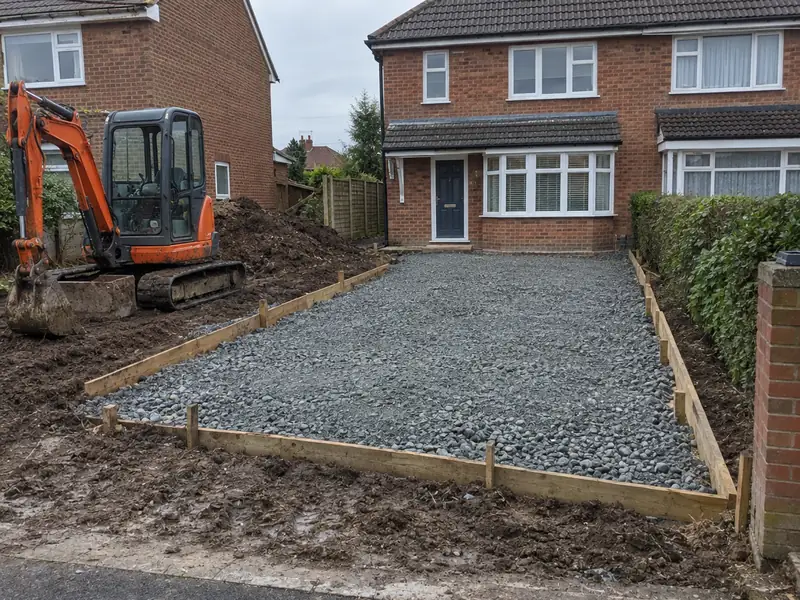
How new resin driveways (full dig-out) works
Most resin driveway failures come from what is underneath, so a full dig-out is the safest route when the existing drive is block paving, gravel, broken tarmac, cracked concrete or lawn.
For a permeable drive the base is built to let water through: a clean, open-graded stone sub-base under a porous asphalt binder, with the resin on top. Where the ground does not drain, the base can be built with drainage to a soakaway instead.
Because the base is new, this is also the moment to fix levels, add edging, move the drive line, widen the entrance or add channel drains, so the quote is itemised to show what each part costs.
Worked example (UK average): a 40 m² drive with a dig-out and new permeable base comes to about £3,000–£4,800, including VAT, before edging, drainage or kerb work.
Is it right for you?
- Your current drive is block paving, gravel, grass or broken up
- There is sinking, root damage or standing water
- You are changing the size or shape of the drive
- You want a fully permeable build that suits SuDS rules
How we do it
- Survey levels, drainage, services and access
- Dig out to formation level and remove spoil
- Lay and compact the sub-base in layers
- Lay the binder course (porous asphalt or concrete)
- Fit edging, drains and thresholds
- Lay and trowel the resin bound surface
Specification
- Excavation typically 150–250 mm depending on ground and use
- Compacted open-graded or Type 3 sub-base for permeable builds
- Porous asphalt or concrete binder course
- Resin bound surface around 18 mm thick
Pros
- Fixes the cause of most resin failures
- Fully permeable build possible
- Chance to reshape, widen and re-level
- Longest expected life
Things to know
- Higher cost than an overlay
- Longer on site and needs skips or grab lorries
- A concrete base must cure, usually for at least a week, before resin goes on
Planning and permissions
General information, not legal advice. Pick your nation:
England
In England, a new or replaced hard surface of more than 5 m² in a front garden is permitted development only if it is porous, or if rainwater drains to a lawn, border or soakaway within the property. A fully permeable resin bound build, with a porous base under it, meets that test.
Permitted development rights apply to houses, not flats or maisonettes, and some conservation areas have Article 4 directions that remove them. Listed buildings can need consent if railings or historic walls are affected.
Wales
Wales has its own permitted development rules on the same principle: a front-garden hard surface should be porous or drain to a permeable area on the property. A fully permeable resin bound build, with a porous base under it, meets that test.
In Wales, new construction with drainage implications covering 100 m² or more can also need approval from the council's SuDS Approving Body (SAB). Most domestic drives are smaller than that, but larger drives and extensions are checked at survey.
Scotland
Scotland's householder permitted development rules allow many hard surfaces at a house where the surface is porous or water drains to a permeable area within the property. A fully permeable resin bound build, with a porous base under it, meets that test.
Flats, listed buildings and conservation areas are treated differently, so if any of those apply we suggest a quick check with your council's planning team before work starts.
Northern Ireland
Northern Ireland has its own permitted development order for houses, with conditions on hard surfaces and drainage: the simplest route is a surface that keeps rainwater within your boundary. A fully permeable resin bound build, with a porous base under it, meets that test.
Flats, listed buildings and conservation areas are treated differently, so if any of those apply it is worth checking with your council's planning team before work starts.
New resin driveways (full dig-out): common questions
How deep is the dig-out for a resin driveway?
It depends on the ground and the traffic, but a domestic drive is commonly excavated 150–250 mm to fit the sub-base and binder course under the resin.
How long does a new resin drive take?
Typically 3–7 days on site for a new base and surface. If a concrete base is used it has to cure, usually for at least a week and as long as the resin system requires, before the resin goes down.
What base is best under resin bound?
Porous asphalt over a compacted open-graded stone sub-base gives a fully permeable build. Concrete works too but needs drainage designed in.
New resin driveways (full dig-out) near you
- Aberdeenshire
- Angus and Dundee
- Argyll and Bute
- Ayrshire
- Bedfordshire
- Berkshire
- Bristol
- Buckinghamshire
- Cambridgeshire
- Cheshire
- Clwyd
- Cornwall
- County Antrim
- County Armagh
- County Down
- County Durham
- County Fermanagh
- County Londonderry
- County Tyrone
- Cumbria
- Derbyshire
- Devon
- Dorset
- Dumfries and Galloway
- Dunbartonshire
- Dyfed
- East Riding of Yorkshire
- East Sussex
- Edinburgh
- Essex
- Fife
- Forth Valley
- Glasgow
- Gloucestershire
- Greater London
- Greater Manchester
- Gwent
- Gwynedd
- Hampshire
- Herefordshire
- Hertfordshire
- Highlands and Islands
- Isle of Wight
- Kent
- Lanarkshire
- Lancashire
- Leicestershire
- Lincolnshire
- Lothians
- Merseyside
- Mid Glamorgan
- Moray
- Norfolk
- North Yorkshire
- Northamptonshire
- Northumberland
- Nottinghamshire
- Oxfordshire
- Perth and Kinross
- Powys
- Renfrewshire and Inverclyde
- Rutland
- Scottish Borders
- Shropshire
- Somerset
- South Glamorgan
- South Yorkshire
- Staffordshire
- Suffolk
- Surrey
- Tyne and Wear
- Warwickshire
- West Glamorgan
- West Midlands
- West Sussex
- West Yorkshire
- Wiltshire
- Worcestershire
Related services
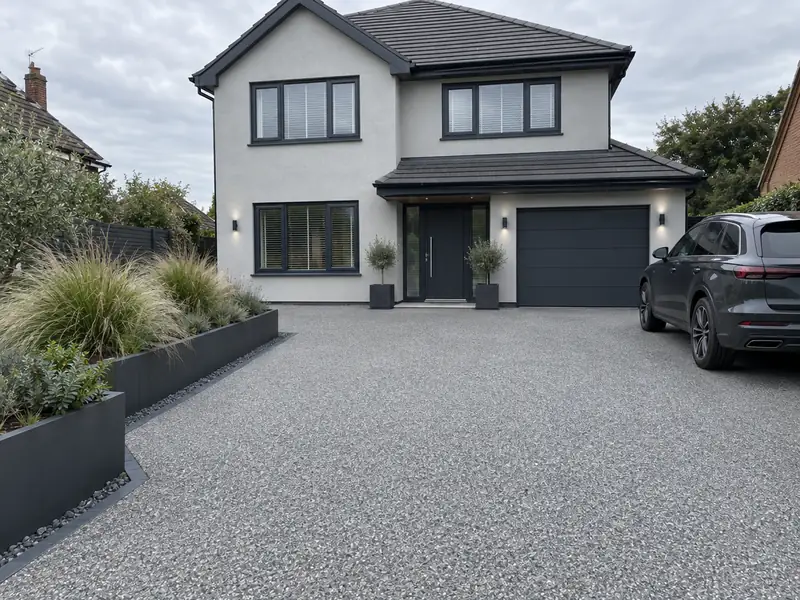 Resin bound drivewaysSmooth, permeable, seamless driveways mixed and trowelled by hand.Learn more
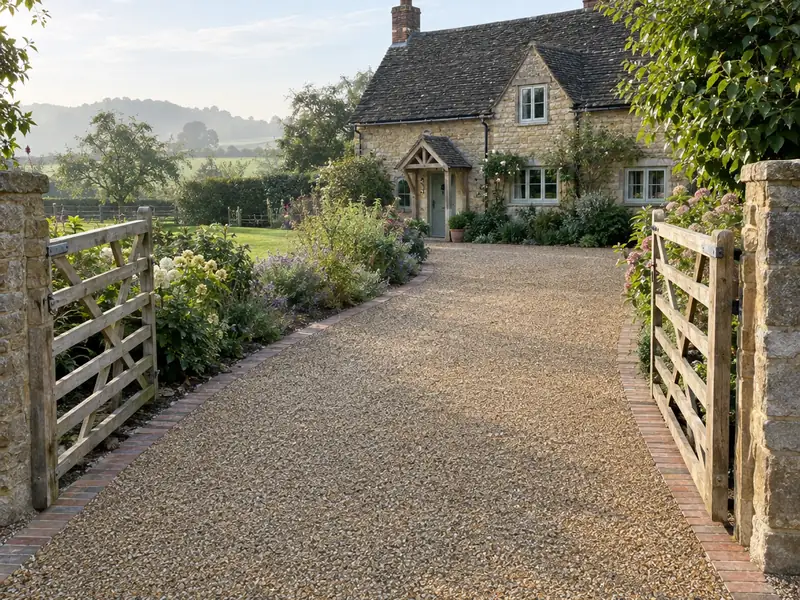 Resin bonded drivewaysA textured, grippy gravel look, with the stones held in a resin coat.Learn more
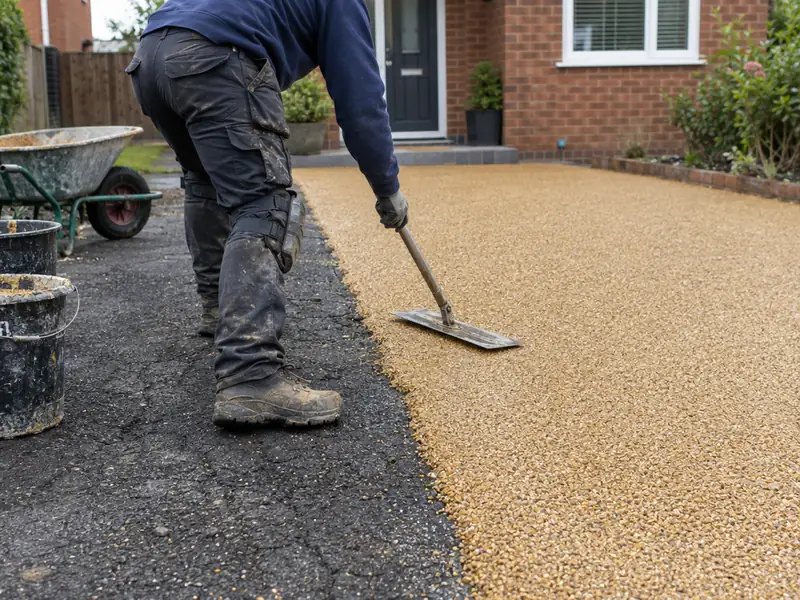 Resin over tarmac and concreteOverlay a sound existing drive with resin bound, without digging it out.Learn more
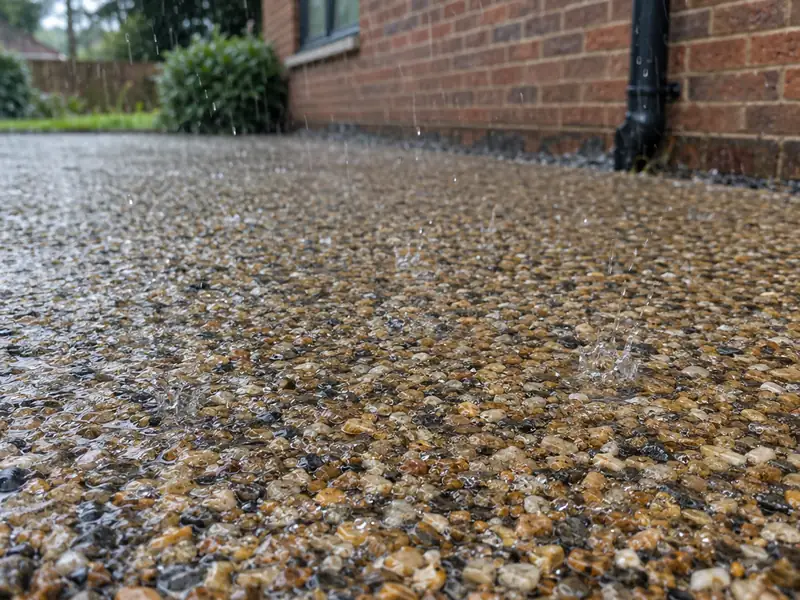 Permeable SuDS drivewaysA fully permeable build that keeps rainwater on your property.Learn more
Free survey · itemised quote
Get a quote for new resin driveways (full dig-out)
Free survey, real samples and an itemised written quote.
- Base, edging and drainage priced line by line
- Real blend samples shown in daylight
- Price fixed in writing once the spec is agreed
Prefer to talk? 0800 088 6341 or